Wireless Infrastructure
Meeting the continually evolving demands for 4G LTE & 5G wireless infrastructure applications with RFHIC's gallium nitride (GaN) on silicon carbide (SiC) technology solutions






South Korea, Anyang – February 7th, 2024 – RFHIC (KOSDAQ:A218410)
Case Study Summary:
A national research institute, specializing in electronics and IT technologies, embarked on a research project funded by the government to develop an innovative solution for enhancing agricultural productivity. The primary goal was to address the issue of soil degradation caused by harmful pests and bacteria, such as nematodes, that infest soil after crop harvesting, rendering it unsuitable for continuous cultivation.
Discover how the institute replaced its traditional magnetron systems to harness the power of RFHIC’s 15kW, 900-930MHz, GaN solid-state microwave generator (RIK0915K-40TG). This switch enabled them to create a dependable and precise microwave source, designed to specifically combat the detrimental pests and bacteria responsible for soil degradation and hindered crop growth.
Customer:
Funded by the government our customer is a national research facility that conducts R&D on electronics & IT technologies.
Our customer has been developing and researching a unique microwave heating system that would eradicate harmful pests and bacteria within soils that inhibit crop growth.
After crops are harvested from a piece of land, parasites such as nematodes and various bacteria often infest the piece of land, rendering it unviable for continuous cropping. To deal with this problem, farmers are often forced to use fertilizers that pollute the environment and agricultural fields, or temporarily halt cropping altogether. With microwaves, the nematodes and bacteria can be eradicated in an environmentally friendly matter, increasing agricultural productivity.
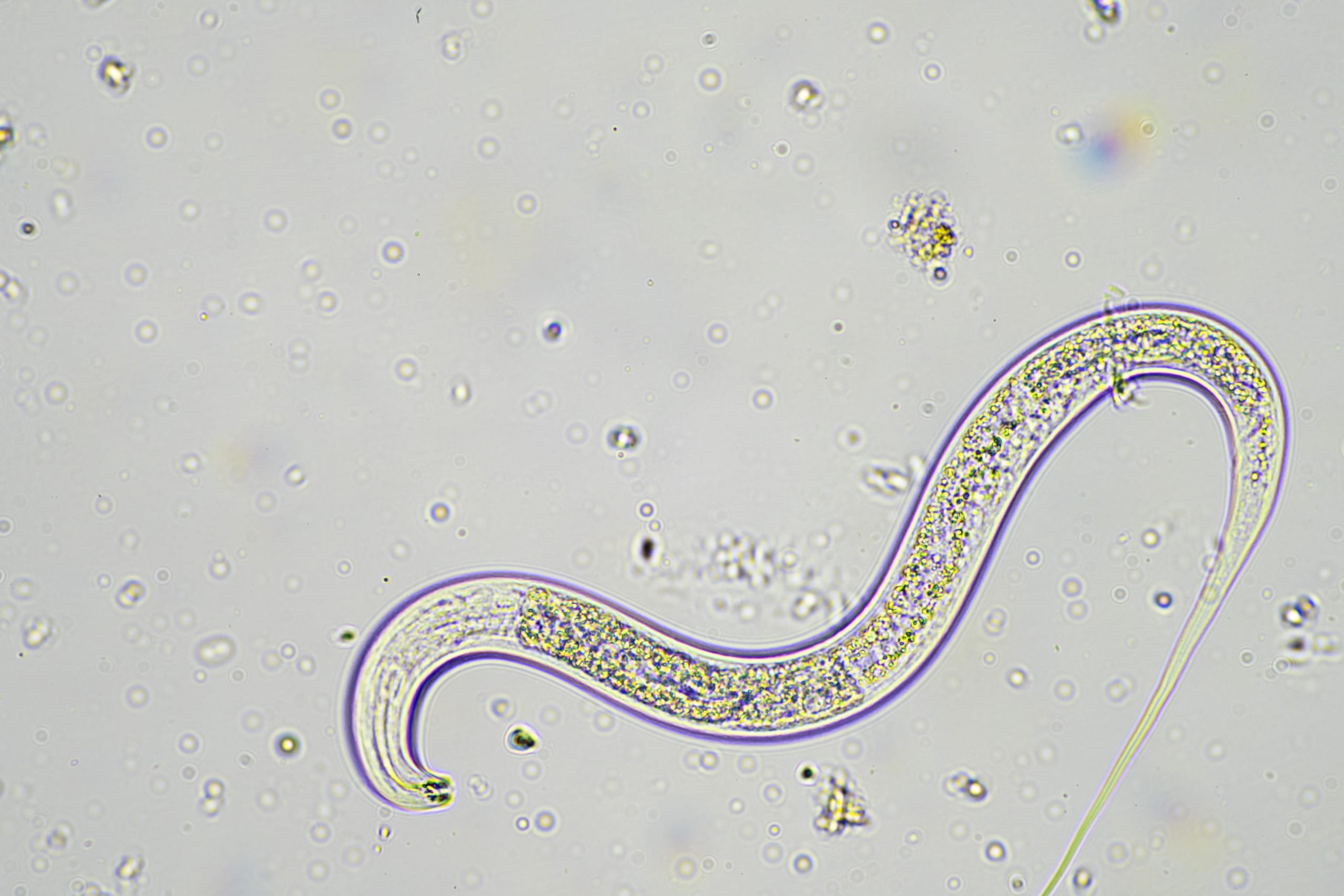 Nematodes often infest soil after continuous cropping.
Customer Pain Points:
In the initial phases of developing their microwave heating system, our customer relied on magnetrons as the key components for microwave generation. However, they encountered significant challenges during the system design process, which are outlined below:
1. Shallow penetration and non-uniform heating patterns
Magnetrons have inherent issues with providing a stable source of microwave power due to their poor ability to provide a stable frequency signal. Factors such as temperature fluctuations, wear and tear from prolonged use, and variations in power supply can cause unexpected shifts in their frequencies. Additionally, due to their fixed resonant structure, magnetrons provide limited control over both frequency and phase. Consequently, magnetrons fall short of delivering deep penetration and consistent heating patterns.
In the case of our partner’s initial microwave-heating system, the magnetrons failed to produce microwaves that were uniform and deep enough to penetrate the soil effectively. The required temperatures to eradicate nematodes and harmful bacteria are roughly 60 °C to 80 °C respectively. The inability of magnetrons to penetrate the soil deep enough meant that certain parts of the soil often failed to reach these temperature points, and the targeted pests and bacteria were not removed effectively.
2. High Failure Rate Over Time
Magnetrons typically have short lifespans, lasting between 4,000 to 6,000 hours of operation. In addition to their limited lifespan, they operate at exceptionally high voltages, often reaching up to 20,000 volts. Due to these factors, users frequently find themselves in the position of having to replace malfunctioning magnetron units, as well as associated components like circulators, diodes, and launchers.
The need for frequent replacements not only escalates operational expenditures but also offsets the initial cost savings associated with procuring magnetrons at a lower upfront price.
Our partner’s microwave heating systems were designed to operate on remote farmlands in rural areas.
The potential failure of magnetron units in the heating system posed a challenge; the costs associated with transporting and replacing these units would be substantial, and the downtime during this replacement process would lead to increased operational expenses and diminished productivity.
RFHIC’s Proposed Solution

RIK0915K-40TG was installed into our customer’s microwave heating system.
RFHIC offered a 15kW, 900 – 930MHz GaN solid-state microwave generator, the RIK0915K-40TG, as an alternative to magnetrons. The RIK0915K-40TG is fabricated using RFHIC’s cutting-edge gallium-nitride (GaN) on silicon-carbide (SiC) technology. The RIK0915K-40TG comes fully equipped with a 3-phase, 4W 380VAC Wye configured power supply unit, a control module, and eight (8) solid-state power amplifier shelves.
Unlike magnetrons, RFHIC’s RIK0915K-40TG provides precise digital controlling capabilities through our provided Windows GUI. The provided window’s GUI will allow the user to digital control and adjust the power, frequency, pulse, and phase to create the optimal recipe for their end product. With these features it allowed us to achieve a more uniform and deeper penetration depth, allowing them to effectively eliminate any harmful bacteria within the soil promptly.
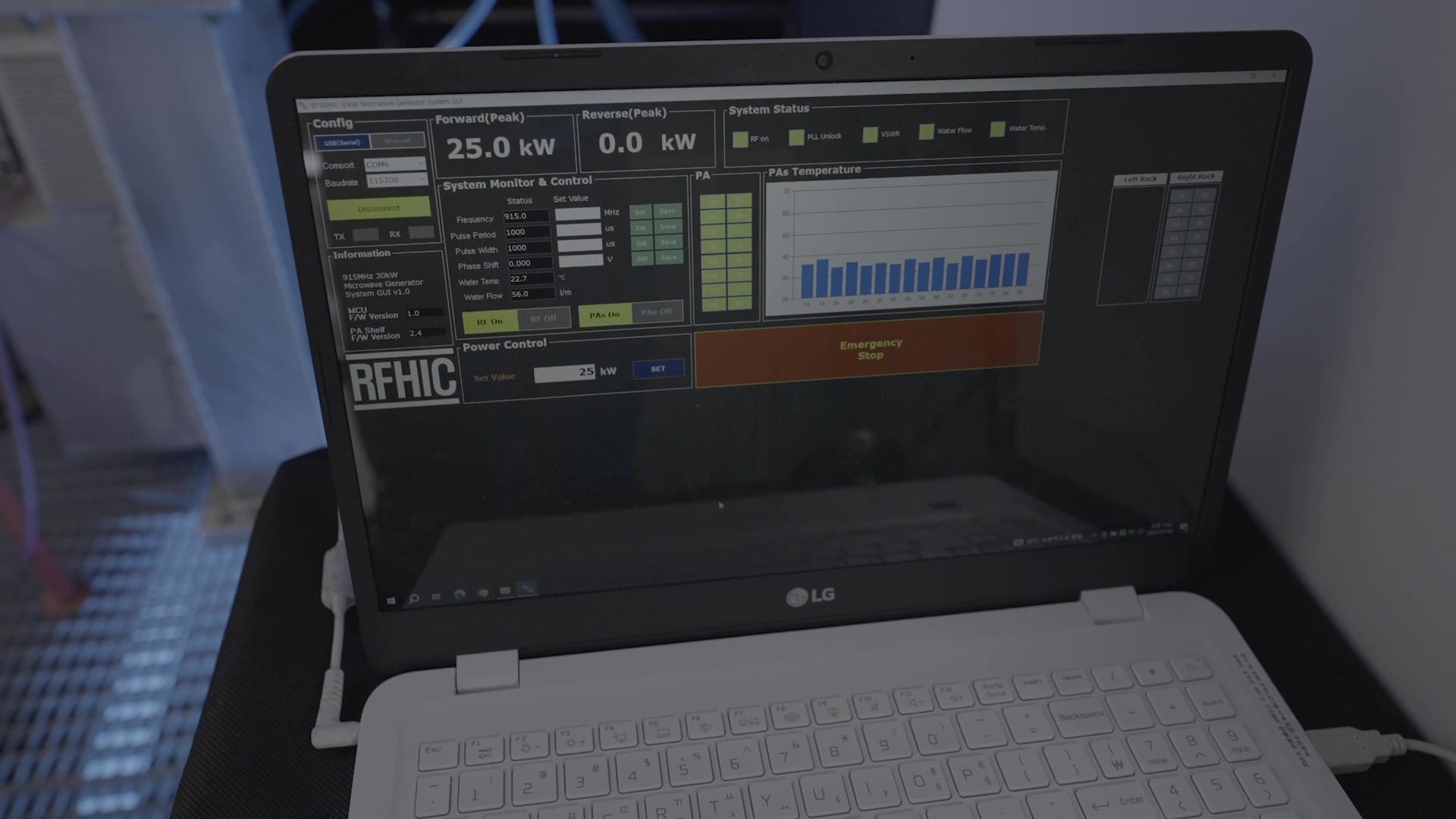
RFHIC’s Windows GUI Software
Moreover, the RIK0915K-40TG operates under much lower voltages (50V) and boasts an average lifetime of around 50,000 to 100,000 hours.
RFHIC’s microwave generator is thoughtfully designed with eight power amplifier shelves, each incorporating a redundancy feature to ensure a smooth and gradual decline in performance. In the event of a malfunction occurring in one or two shelves, the microwave generator will continue to function correctly until those shelves can be replaced. The generator is also equipped with hot-swappable power supply units which allows the users to replace any failed paks even while operating.
Key benefits
1. Consistent and Uniform Heating Patterns
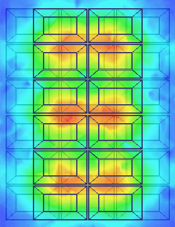
915MHz, 30kW microwave heat distribution model.
RFHIC’s state-of-the-art GaN solid-state microwave generator was able to produce uniform and consistent heating patterns, effectively penetrating the soil and heating the targeted area uniformly. This allowed the system to eradicate nematodes and harmful bacteria within the soil, leading to higher yields of crops and enhanced soil quality.
2. Increased System Lifetimes and Stability.
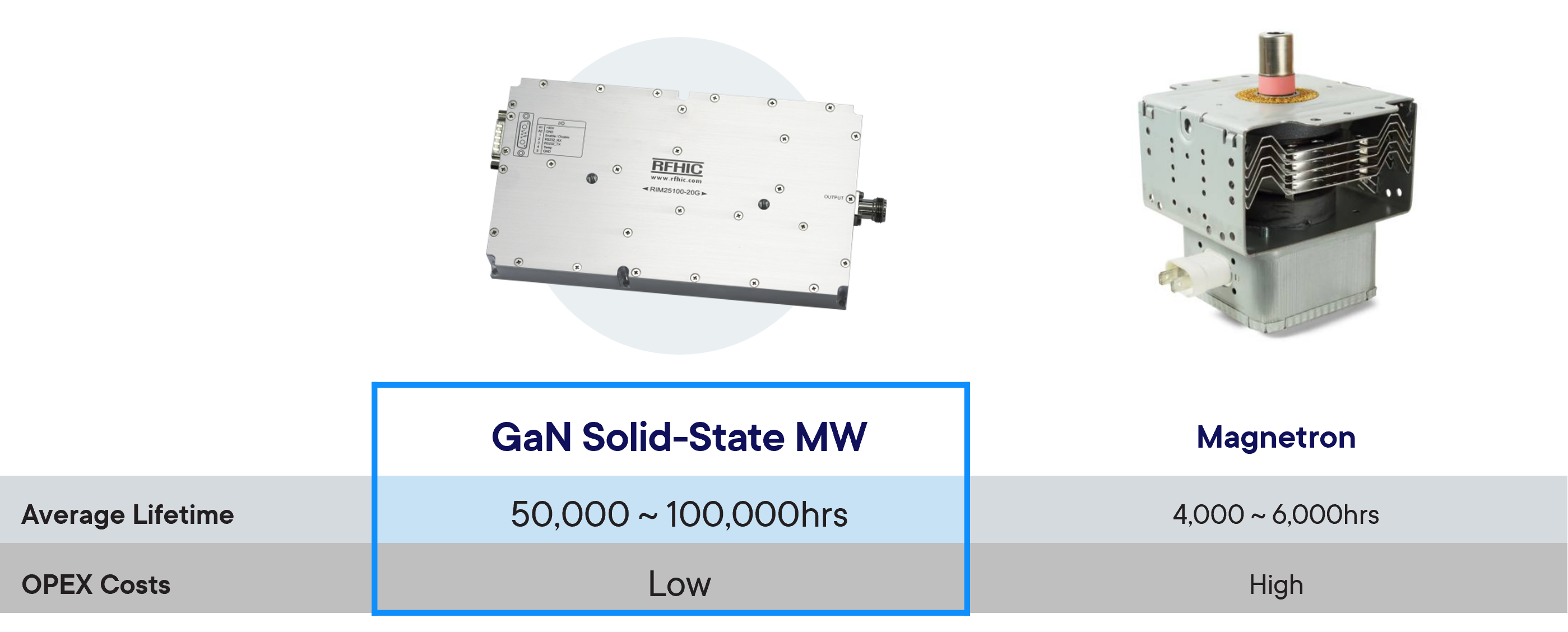 Approximate Lifetimes of GaN Solid-State vs Magnetrons
RFHIC’s GaN solid-state microwave generator had significantly longer lifetimes than magnetrons and proved to be stable due to its low voltage operations. In addition, the built-in redundancy feature, which allows the microwave generator to continue operating in case one of the power amplifier shelves fails, provided considerable flexibility and reliability in both system design and operation.
For more information about our GaN solid-state microwave generator technology, please contact us here.
About RFHIC:
RFHIC (KOSDAQ: A218410) is a global leader in designing and manufacturing GaN RF & Microwave components and systems for applications in wireless communications, defense and aerospace, and RF Energy (Industrial, Scientific, and Medical) segments. We provide industry-leading solutions for gallium-nitride (GaN) transistors, high-power solid-state power amplifiers, and high-power microwave generator systems, all within our in-house production facility. We enlighten industries with RF and Microwave advancements. To expedite a future enhanced by technological innovation – to create a better connected, safer, and stronger world for generations. Learn more at www.rfhic.com.
RFHIC® is a registered trademark
Media Contact:
Video of RFHIC’s GaN solid-state technology utilized in Scanship’s pyrolysis system.
Case Study Summary:
RFHIC partnered with Scanship, a Norweigian company that develops microwave pyrolysis systems for waste gasification.
By replacing magnetrons with RFHIC’s 30kW, 900-930MHz, GaN solid-state microwave generator, known as the RIK0930K-40TG,
Scanship successfully designed stable microwave prolysis systems that efficiently convert carbon-based ship waste into valuable biofuels.
Customer:

Scanship, a subsidiary of the Norwegian company Vow ASA,
provides solutions that transform waste into valuable resources and
generate clean energy for customers in cruise, aquaculture and a
wide range of land-based industries and for utilities.
Scanship also designs and manufactures microwave-assisted
pyrolysis systems that are installed on commercial cruise ships.
These systems collect and convert the biowaste generated onboard
into valuable biofuels such as hydrogen and biochar.
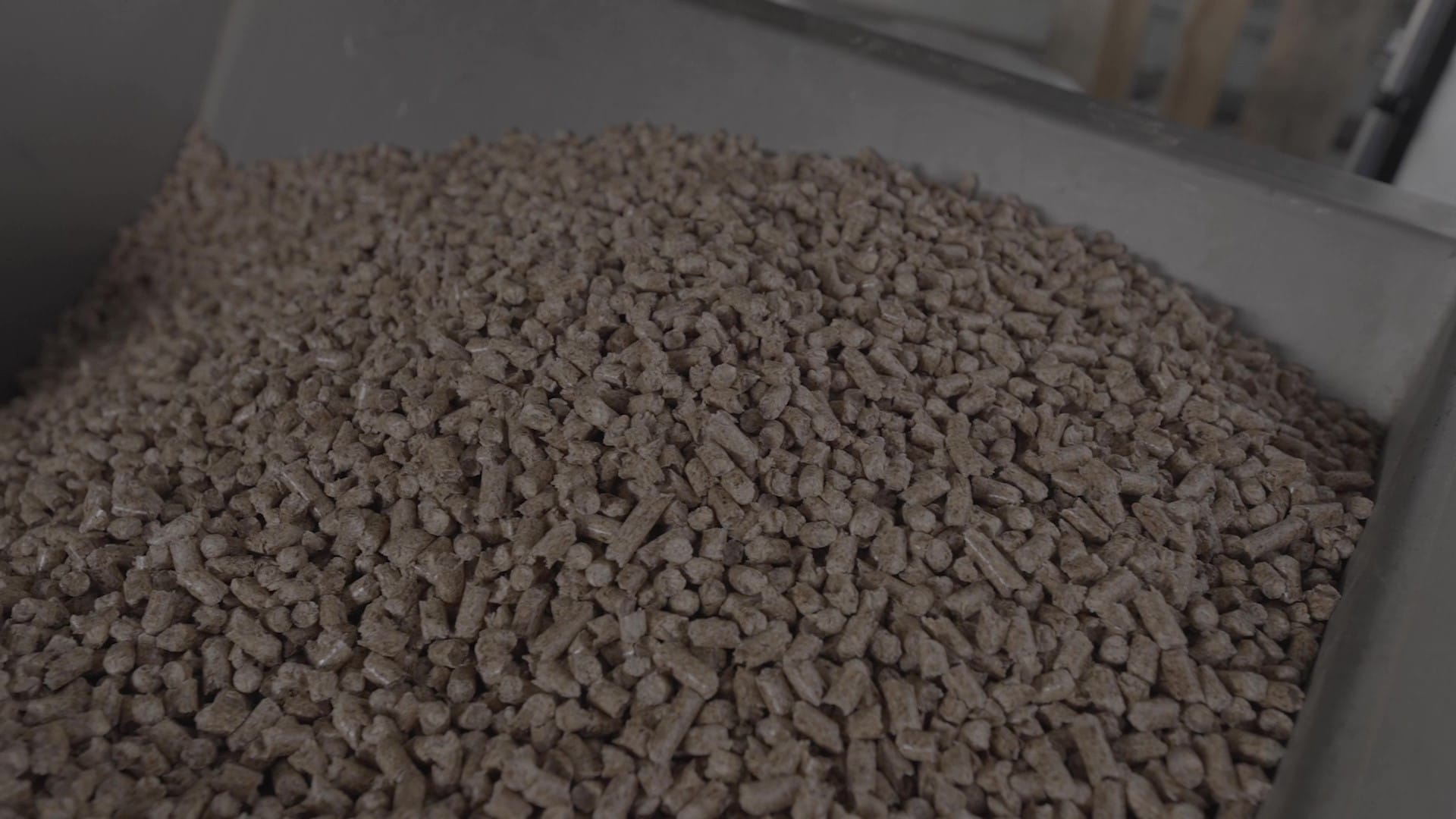
Biochar produced from Scanship’s microwave pyrolysis system.
Customer Pain Points:
During the development of their microwave-assisted pyrolysis system
to convert organic waste into biofuels,
Scanship initially chose magnetrons as components to generate microwaves.
They encountered the following problems during the course of system design.
1. Inconsistent and non-uniform heating patterns
Magnetrons produce microwaves with unstable frequencies.
Factors such as temperatue changes, old usage, and power supply variations often lead to unexpected shifts in frequencies.
Additionally, magnetrons offer little control over frequencies and phase due to their fixed resonant structure. Heating patterns are significantly influenced by frequency stability and control.
Consequently, magnetrons frequently fall short in delivering consistent and uniform heating to feedstocks.
In the case of Scanship’s microwave-assisted pyrolysis system,
the magnetrons not only failed to uniformly heat the organic waste,
but also inflicted damage on delicate components due to their constantly shifting frequencies.
This adversely affected the quality of the end products and led to increased operating costs.
2. Short Mean Time between Failure
Magnetrons typically have short lifespans, averaging between 4,000 to 6,000 hours. They also operate under extremely high voltages, reaching up to 20Kv.
Due to these factors, users are frequently required to replace failed magnetron units, along with other connected components such as circulators, diodes, launchers, etc.
This frequent replacement not only increases operational costs but also offsets the low initial procurement costs of the magnetrons.
Scanship’s microwave-assisted pyrolysis systems were designed for operation onboard cruise ships during voyages.
The potential mid-voyage failure of magnetron units in the waste gasification system posed a critical challenge; in such instances, all operations would come to a halt until the components can be replaced on land. This interruption resulted in reduced yields and increased operating costs.
RFHIC’s Proposed Solution
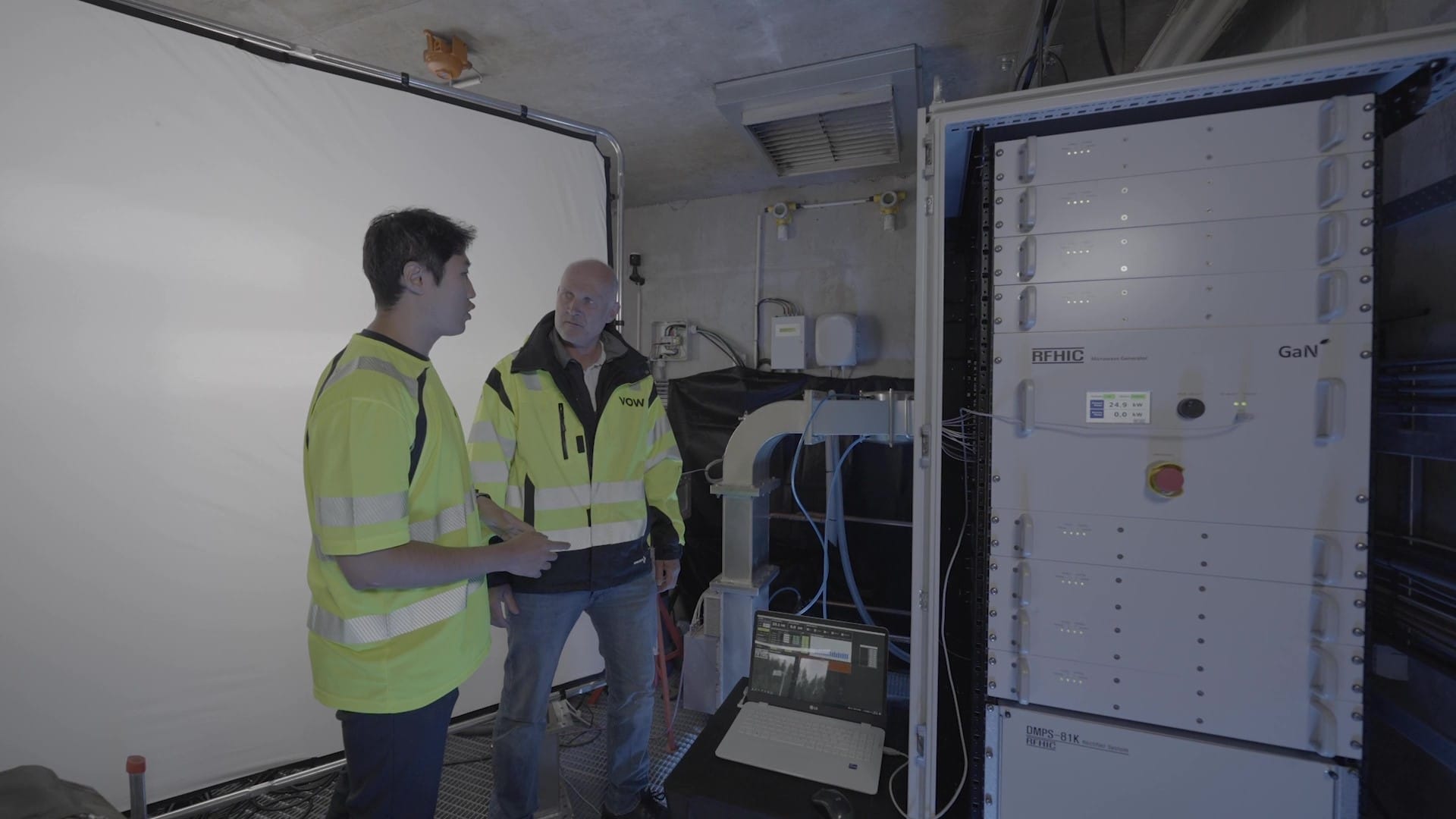
RIK0930K-40TG installed into Scanship’s microwave pyrolysis system.
RFHIC offered a 30kW, 900 – 930MHz GaN solid-state microwave generator, the RIK0930K-40TG, as an alternative to magnetrons.
The RIK0930K-40TG is fabricated using RFHIC’s cutting-edge gallium-nitride (GaN) on silicon-carbide (SiC) technology.
The RIK0930K-40TG comes fully equipped with a 3-phase 380VAC power supply unit, a control module, and eight (8) solid-state power amplifier shelves.
Unlike magnetrons, RFHIC’s RIK0930K-40TG provides precise digital controllability of both frequency and phase.
These key features allowed Scanship to adjust the operating environment of the pyrolysis system depending on the composition of the organic waste.
The microwave generator also achieved more uniform and consistent heating patterns, allowing the pyrolysis system to process higher volumes of waste in a shorter time.
RFHIC’s Digital Control Software of the Microwave Generator
Moreover, the RIK0930K-40TG operates under much lower voltages (50V), and boasts lifetimes up to 100,000 hours.
The microwave generator is designed with eight power amplifier shelves, incorporating a redundancy feature that ensures graceful degradation.
In the event of a malfunction in one or two shelves, the microwave generator will continue to operate properly until the shelves can be replaced.
Key benefits
1. Consistent and Uniform Heating Patterns
915MHz, 30kW microwave heat distribution model.
RFHIC’s state-of-the-art GaN solid-state microwave generator was able to produce uniform and consistent heating patterns, effectively heating the organic waste produced onboard. This significantly increased the yield of both hydrogen and biochar. Moreover, by adjusting frequencies and power outputs based on the composition of the waste, Scanship found the ideal operating environment that suited their specific microwave pyrolysis requirements.
2. Increased System Lifetimes and Stability.
GaN Solid-State vs Magnetrons
RFHIC’s GaN solid-state microwave generator had significantly longer lifetimes than magnetrons, and proved to be stable due to its low voltage characteristics.
In addition, the built-in redundancy feature, which allows the microwave generator to continue operating in case one of the power amplifier shelves fail, provided considerable flexibility in both system design and operation. This feature significantly reduced the need of replacing broken units, thereby reducing maintenance and operating costs.
For more information about our GaN solid-state microwave generator technology, please contact us here.
About RFHIC:
RFHIC (KOSDAQ: A218410) is a global leader in designing and manufacturing GaN RF & Microwave components and systems for applications in wireless communications, defense and aerospace, and RF Energy (Industrial, Scientific, and Medical) segments. We provide industry-leading solutions for gallium-nitride (GaN) transistors, high-power solid-state power amplifiers, and high-power microwave generator systems, all within our in-house production facility. We enlighten industries with RF and Microwave advancements. To expedite a future enhanced by technological innovation – to create a better connected, safer, and stronger world for generations. Learn more at www.rfhic.com.
RFHIC® is a registered trademark
Media Contact:
The key to an efficient chemical vapor deposition (CVD) process relies heavily on the cleaning step. The cleaning step keeps the chamber and components inside free of unwanted particles and deposits. Over the last decade, the industry has moved from manual cleaning to in situ radio frequency (RF) plasma cleaning and remote plasma cleaning methods. Remote plasma cleaning using microwaves is relatively new. Still, its various advantages have increased yields, decreased system maintenance, and lowered the overall cost of maintaining and operating CVD equipment.
Chemical vapor deposition chambers are used to produce semiconductor components as well as lab-grown diamonds. The chamber must maintain a clean environment to provide optimal and reproducible products. One of the biggest challenges is that particles tend to contaminate the chamber walls harming the deposition process. Companies use toxic chemicals and gases to mitigate these challenges, which is becoming a major environmental concern. Due to the increasing impact of global warming, semiconductor companies are looking for alternative methods for the chamber cleaning process. Microwave plasma is the ideal solution for removing and sterilizing unwanted particles off the chamber walls and waveguides. A microwave plasma source provides a 99.9% removal efficiency of the reactant gas during the chamber cleaning process. This technology brings the million metric tons of carbon equivalent used for a chamber clean to negligible levels while enhancing efficiency and system throughput.
In situ, RF plasma sources have been used for various chamber cleaning applications, but they lacked enough yield to maintain feasibility due to the slow processing time. Also, RF plasma sources had trouble cleaning parts not directly exposed to the RF plasma source due to its anisotropic properties, resulting in leftover unwanted particles within the system and causing contamination during the deposition process. Lastly, the RF plasma technique would cause ion bombardment sputter, eroding the chamber and the components within the chamber – resulting in costly and time-consuming maintenance.
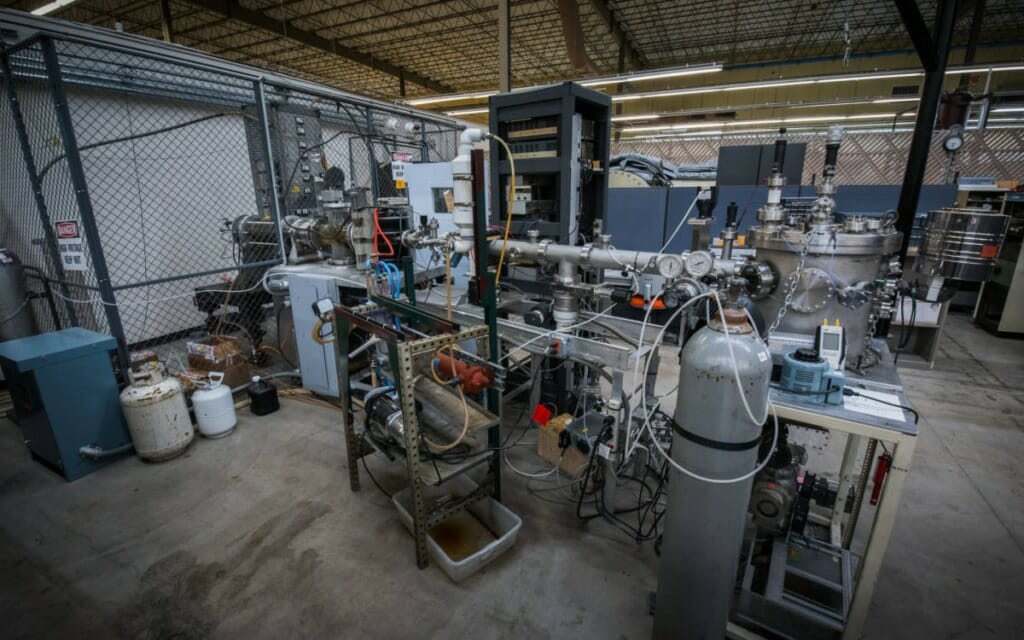
Therefore, chamber cleaning using microwave plasma is a more efficient solution to this problem since the chamber walls could be cleaned without direct exposure to the plasma source due to the unique properties of microwaves. Also, microwave plasma cleaning is a purely chemical reaction causing no ion bombardment, resulting in minimal erosion of the chamber walls and components.
RFHIC introduces its latest Direct Power series featuring a portable and compact 3kW GaN solid-state industrial microwave generator operable both in 900-930MHz (RIU093K0-40TG) and 2400-2500MHz (RIU243K0-40TG)
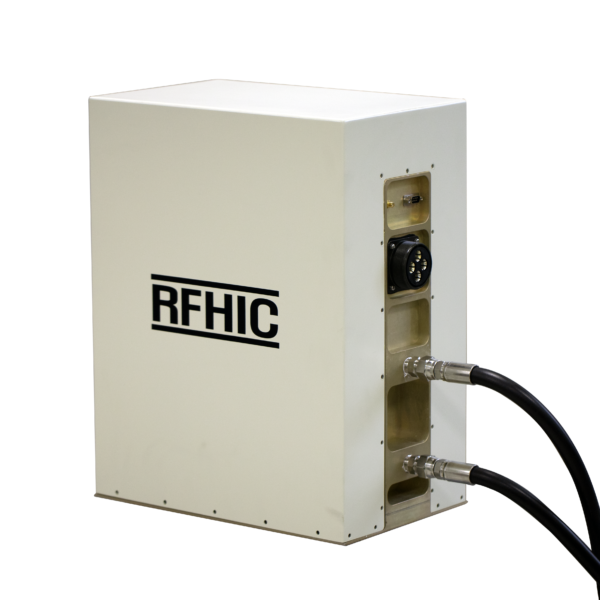
Both compact generators are designed with an internal waveguide allowing users to mount them directly on the CVD chamber lid, thus eliminating the need for bulky and costly waveguides.
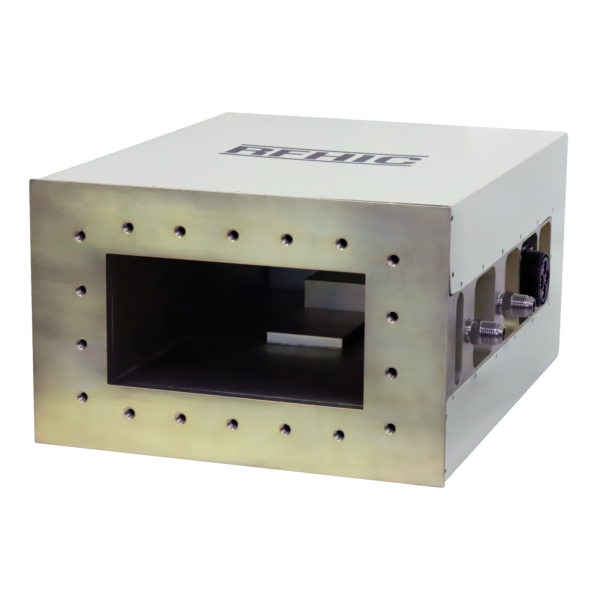
The RIU093K0-40TG (3kW, 900-930MHz) and RIU243K0-40TG (3kW, 2.45GHz) are turn-key GaN solid-state microwave generator solutions that come equipped with a 3kW SSPA head, a 380 VAC power supply unit, a control module, and cables and can operate at both continuous and pulse operations. Both generators have a remote architecture allowing the 3kW SSPA head to be installed apart from the power supply. This separation allows for greater system flexibility and simplifies system integration.
Industrial Microwave Generators for Next Generation Waste Gasification
Our society produces over 2 billion tons of waste per year, which is expected to grow by over 70% by the next five years – to put that into perspective, that’s a line of garbage trucks stretching from San Francisco to New York City every single day.
With this issue, companies have long sought ways to turn all this waste into energy by burning our trash – but this method is said to strike major environmental drawbacks. So what is the better solution? – Gasification

Gasification is a technological process that converts any carbonaceous (carbon-based) raw material, such as coal, into fuel gas, also known as synthesis gas (syngas for short) – a process said to be economical and eco-friendly. This synthetic gas can then be converted into various end products like electricity, hydrogen fuel, ethanol, and more.
Microwave energy can potentially promote gas production during biomass pyrolysis or gasification based on its advantageous features, such as rapid and selective heating. Microwave energy can be used to generate microwave plasma, which thus can be used to convert biomass into renewable biofuels.
Our customer needed a high-power microwave source that could be used to generate a stable source of plasma intended for disposing of solid waste materials. Discover how RFHIC’s GaN solid-state microwave solutions meet their needs!
Our customer is a globally renowned company specializing in developing green plasma energy to industrialize plasma application technology. The company operates a world-class plasma gasification plant generating up to 600kg of green hydrogen production per day to be reused for electricity and other forms of green gases.
Plasma energy can dispose of both biomass and harmful wastes and convert them into an efficient form of energy – called syngas. The produced syngas can then be used to generate electricity, fuel combustion systems, and produce hydrogen.
The customer used a 30kW magnetron system to generate plasma for their waste gasification system. Unfortunately, the company had major reliability and safety issues due to the magnetron’s short life span and high voltage characteristics. The system would shut down every couple hours due to a faulty magnetron head. Also, having the magnetron supplier overseas made the process even more inefficient and costly.
Due to the system’s frequent shutdowns, the company was having trouble creating a reliable source of plasma and getting its system to scale. The company was looking for a microwave solution to generate and obtain plasma reliably while withstanding those high temperatures.
RFHIC offered a 12kW GaN solid-state microwave generator (RIK2512K-40TG_H) operable from 2400 to 2500 MHz. The RIK2512K-40TG_H is a solid-state microwave power source fabricated using RFHIC’s cutting-edge gallium-nitride (GaN) on silicon-carbide (SiC) HEMT. The RIK2512K-40TG_H comes fully equipped with a 3-phase 380VAC power supply unit, a control module, and four SSPA shelves.
Alternative to conventional magnetron-type microwave power supplies, RFHIC’s RIK2512K-40TG_H allows precise digital controllability of the frequency and phase. These key features allowed our customers to generate and obtain a more uniform and deeper plasma penetration, achieving higher volumes of waste in a shorter time.
Although the acquisition cost of RFHIC’s GaN solid state MWG was higher than the magnetron, RFHIC’s GaN solid state MWG ended up being an economical alternative when considering all variable costs (ex., longer lifetime, less maintenance, digital control capability = better quality products, etc.)
There are many use cases for microwaves in semiconductor applications, from annealing to etching to remote plasma deposition. The possibilities are endless. Our customers in the semiconductor industry are looking for reliable microwave sources that adapt to the changes in how semiconductors are manufactured. For the most part, magnetron has been the main source for various semiconductor applications in lower frequencies. However, the age has come for solid-state technology to help engage the ever-evolving semiconductor market.
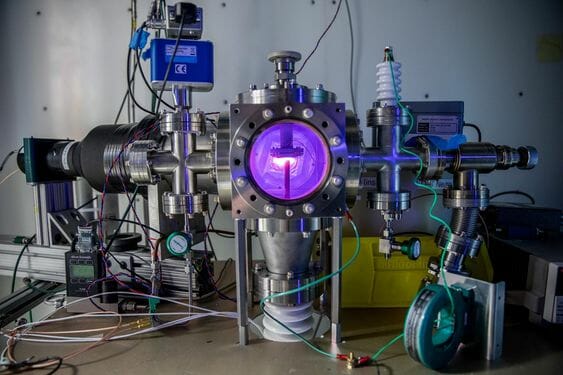
The thermal process has various roles within the semiconductor world. It can help wafers put back into correct formation and prepare them to receive new materials. Many frequencies are used for this microwave heating application, most commonly 915MHz and 2.45GHz. Some have shown theoretical advantages of using 5.8GHz due to frequency influence on the dielectric properties of the materials. Also, frequency has an inverse relationship to penetration depth, meaning that the higher the frequency, the more the penetration depth decreases. This could be ideal for selective heating of very thin layers deposited onto a substrate. There are various methods of heating using a microwave. The two main methods are variable frequency microwave and microwave induction heating. These heating methods have tremendous advantages in the semiconductor process due to the control of penetration depth and the ability to heat materials almost five times faster than conventional radiant methods. The variable frequency microwave method sweeps across the bandwidth very fast (in milliseconds) to create uniform heating without getting the concentrated hot spots like you would on your microwave ovens.
The other method is induction heating, which is very similar to the induction cooktop, yet the frequency is much higher. Microwave induction heating, also known as electromagnetic induction heating (EMIH), can be advantageous over conventional RTP chambers that use external radiant heat sources in the sense that the presence of insulating layers will not hinder the heating because the wave transmits through the insulator and directly into the material that needs to be heated.
For the most part, the plasma-assisted process is still considered one of the thermal processes. The difference is that it uses plasma and its unique ability to ionize gas for deposition and/or etch away unwanted materials. On this topic, the focus is on microwave plasma; higher frequency plasma has higher plasma density and lower penetration depth. There are many forms of deposition in the semiconductor industry. Most are utilized for thin film deposition on wafers in various formats. Many of these processes are different from each other in how the chemical reaction is initiated.
Currently, many companies are trying to utilize the solid state’s advantage for microwave plasma-assisted CVD (MPCVD) to produce diamond gemstones. Unlike many semiconductor processes, where the longest processes may not exceed one day, continued operation for 5 to 10 days is necessary for diamond growth. During that time, any equipment failure may jeopardize the batch completely. It is also important for semiconductor equipment to operate at little to no margins every time it is used. This type of operation may be difficult for magnetron sources where frequency may shift depending on the lifespan or even the condition it operates. SSPA can mitigate such issues with precise frequency control to match the recipe required for the specific process.
There are various ways GaN solid-state technology can play in the semiconductor equipment market. It creates a circular supply chain where the materials produced by the equipment are utilized to power the equipment. RFHIC is pursuing to take part in improving and enhancing the semiconductor industry with our GaN solid-state industrial microwave generators.
Discover how we helped a major food research facility process better quality “ready-to-eat” meals with faster throughput thanks to our GaN solid-state microwave technology for microwave cooking applications.
Heating is known to be one of the most effective means of killing spoilage and pathogenic microorganisms to extend the shelf life of foods. Today, “ready-to-eat” shelf-stable foods are generally packaged in an oxygen-free environment to eliminate chemical reactions from occurring, thus stopping or prolonging the food’s shelf stability.
The traditional thermal process for packaged foods generally uses a retort system, which utilizes pressurized steam at high temperatures to eliminate spoilage and viral pathogens.
However, this usually takes several hours and tends to overcook the product – resulting in a loss of flavor, texture, color, and nutrients from the food.
As a result, our customer was looking for a new and improved method of thermally processing the “ready-to-eat” meals using our GaN solid-state industrial microwave generators.
915MHz was chosen due to its deeper penetration capabilities allowing it to cook the food more uniformly. Due to the delicate nature of the product and process, the customer required a single-mode cavity to produce a more stable heating pattern.
To meet our customer’s needs, we designed a compact and portable microwave generator solution equipped with an internal waveguide allowing the customer to connect the generator to a horn antenna inside the chamber. This allowed our customers to eliminate bulky and costly waveguides from their entire system, saving high costs and floor space. The generator was also able to cut processing times by over 50% compared to conventional processing and produce higher-quality foods in flavor, texture, color, and nutrients.
RFHIC provided our RIU093K0-40TG microwave generator solution operable from 900 to 930 MHz with a max output power of 3kW. The RIU093K0-40TG is a remote type of microwave generator consisting of a separate SSPA head, a 380 VAC power supply unit, a control module, and RF cables. The remote architecture allows for greater system flexibility and simplified system integration.
915MHz heat distribution model
With the transition to a microwave solution, our clients could optimize the quality of their end products while significantly lowering costs.
For more information, don’t hesitate to get in touch with us here. Contact Us
How Microwave Technology is Used for Foaming of Polymer Materials
Our customer is an integrated and innovative solution provider of plastic resin & synthetic fiber manufacturing. This corporation has over 300 employees and generates more than $200 million in annual sales (USD). The customer is a global leader in manufacturing a foam-type thermosetting resin with a unique open-cell structure that provides excellent sound absorption, insulation, and durability.
The customer was already using multiple machines for manufacturing their products, including a long conveyor tunnel equipped with multiple magnetrons to foam and expand their thermosetting resin material used for construction, transportation, and industrial applications.
The melamine foam has a unique three-dimensional hexagonal reticular structure providing an open-cell foam, unlike many other conventional polymeric foams. It is mainly known for its excellent sound absorption and fire resistance properties making it useful for various industrial applications.
The manufacturing process consisted of three main microwave heating sections:
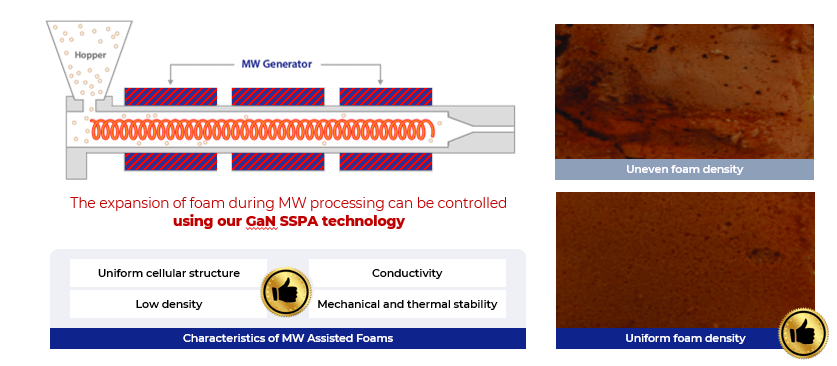
The customer was having difficulty expanding the melamine foam and heating it uniformly. The foam would heat the exterior more than the interior with its current solution, creating an uneven cellular structure. This problem led to longer processing times, and overall uneven-quality foam.
The customers were looking for a solution to expand and heat the melamine foam more uniformly and quickly. We believed our GaN solid-state industrial microwave solutions would be great for them to heat the melamine foam more uniformly while shortening processing times.
RFHIC offered our compact 3kW, GaN solid-state industrial microwave generator solution to replace their current magnetron technology. Doing so allowed them to test and see which frequency, power level, and signal source worked best for each section, allowing them to create the perfect “recipe.”
Having the customer integrate our 3kW, Industrial Microwave generator system allowed them to save tremendous costs from the following:
Due to the built-in internal waveguide, our customer could get rid of bulky, long, and expensive external waveguides. This allowed them to directly attach our microwave generators to their current system allowing for better heat distribution and simplified system integration.
For more information, don’t hesitate to get in touch with us here: Contact Us
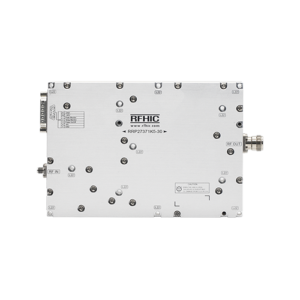
1.5kW, S-band GaN Solid-State Pulsed Amplifier for Next Generation Radar ApplicationsAnyang, South Korea, July 16, 2020 – RFHIC Corporation (KOSDAQ:218410), a global leader in designing and manufacturing GaN RF & Microwave solutions, released their latest 1.5kW, S-band GaN solid-state pulsed amplifier designed for next-generation maritime, surveillance and weather radar applications. The GaN solid-state power amplifier delivers 1.5kW of pulsed output power operating at 2.7 GHz to 3.7 GHz, with a duty cycle of 10%. This highly efficient amplifier is fabricated using our cutting-edge GaN HEMTs, providing excellent thermal stability and a small form factor. The RRP27371K5-30 harmonics -30 dBc minimum and spurious better than -60 dBc. The 1.5 kW, S-Band GaN SSPA is 50 Ohm fully matched and provides a bandwidth of 1,000 MHz, resulting in precise spectral performance and excellent pulse fidelity.
About RFHIC
RFHIC Corporation provides innovative GaN solutions that transform how the world operates, communicates, and protects. Our cutting edge GaN technology is the core foundation of all our inventions for creating a better, faster, and more efficient world. As a global leader in designing and manufacturing GaN RF & Microwave components, we envision spurring a new era of high-powered and reliable devices for the next big change in industrial, cellular, and defense technology. Headquartered in Anyang, South Korea.
RFHIC has a US sales office in Morrisville, North Carolina, and sales distributors throughout North America, Europe, and Asia. RFHIC is an ISO9001 (International quality standard) and ISO14001 (Environmental management standard) certified company, providing reliable and dependable products worldwide.
Media Contacts:
Grace Cho
Grace.cho@rfhic.com